
Hamburger Küche: Digital Logistic and delivery processes
Paper chaos is history: Discover how we developed a real-time route planning system for Hamburger Küche.
>100
Drivers
>5000
Meals per day
Full
offline capabilities
Technologies

Flutter

Firebase

Next.js

PostgreSQL

Google Cloud

Fastlane
Initial situation
From Paper to Digital
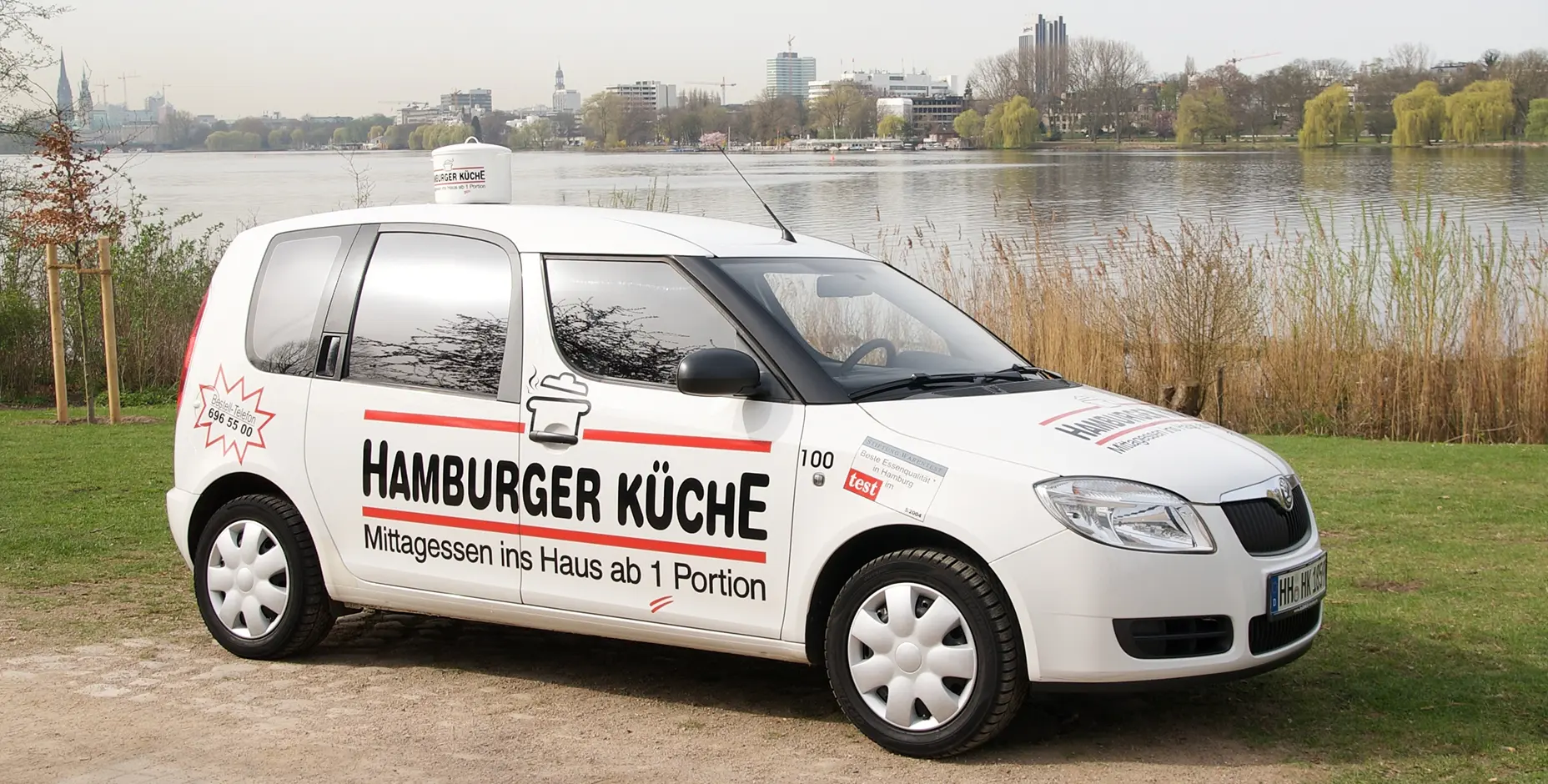
Hamburger Küche delivers fresh, homemade meals directly to customers’ doorsteps every day, 365 days a year. Many of the internal processes had already been digitized by the time the project began.
However, the delivery process had not been updated since the 1990s. Much of it still relied on paper and experience. When the number of customers increased significantly in 2020, management realized, “This needs to be more digital and simpler.”
Goal
Replace the daily planning and execution of 100 individual delivery routes. Move away from a paper-based process toward a fully automated system.
Benefits
Error prevention Avoiding errors that occur in manual steps (e.g., manually calculating amounts)
Clarity Better overview of delivery times and the current status of a route for customer service employees
Simplification Simpler onboarding for new drivers
Challenges
Network Complexity and User-Friendliness
Since it is well known that there are still many areas in Germany where the cellular network does not function reliably, a solution had to be found to ensure that the app continues to work flawlessly even in offline mode.
In addition, the app had to cater to a diverse user base. The ages of Hamburger Küche’s drivers range from their early 20s to 60. Their experience with smartphones and software varies greatly. The user interface, therefore, had to be understandable and usable for all age groups.
Another challenge was providing real-time data for planning in the office. The goal was to make all driver data immediately available to the office.
Additionally, a connection had to be established with the existing inventory management system. Here, it was particularly important to understand the existing processes and transfer them to the new software.
Solution
Three components for an efficient solution
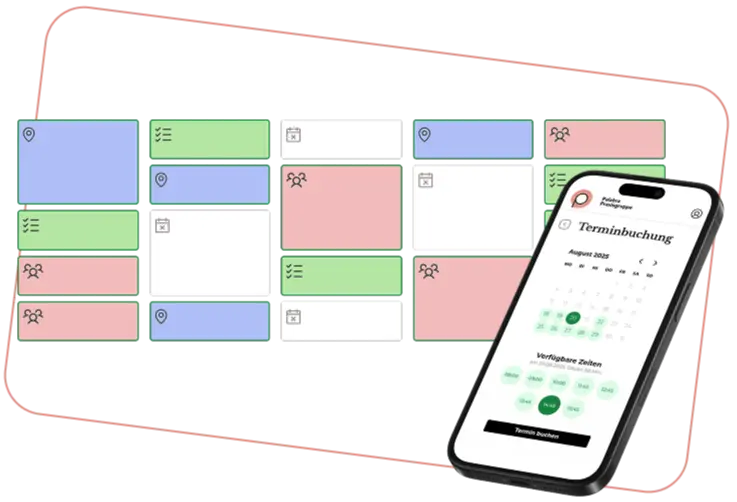
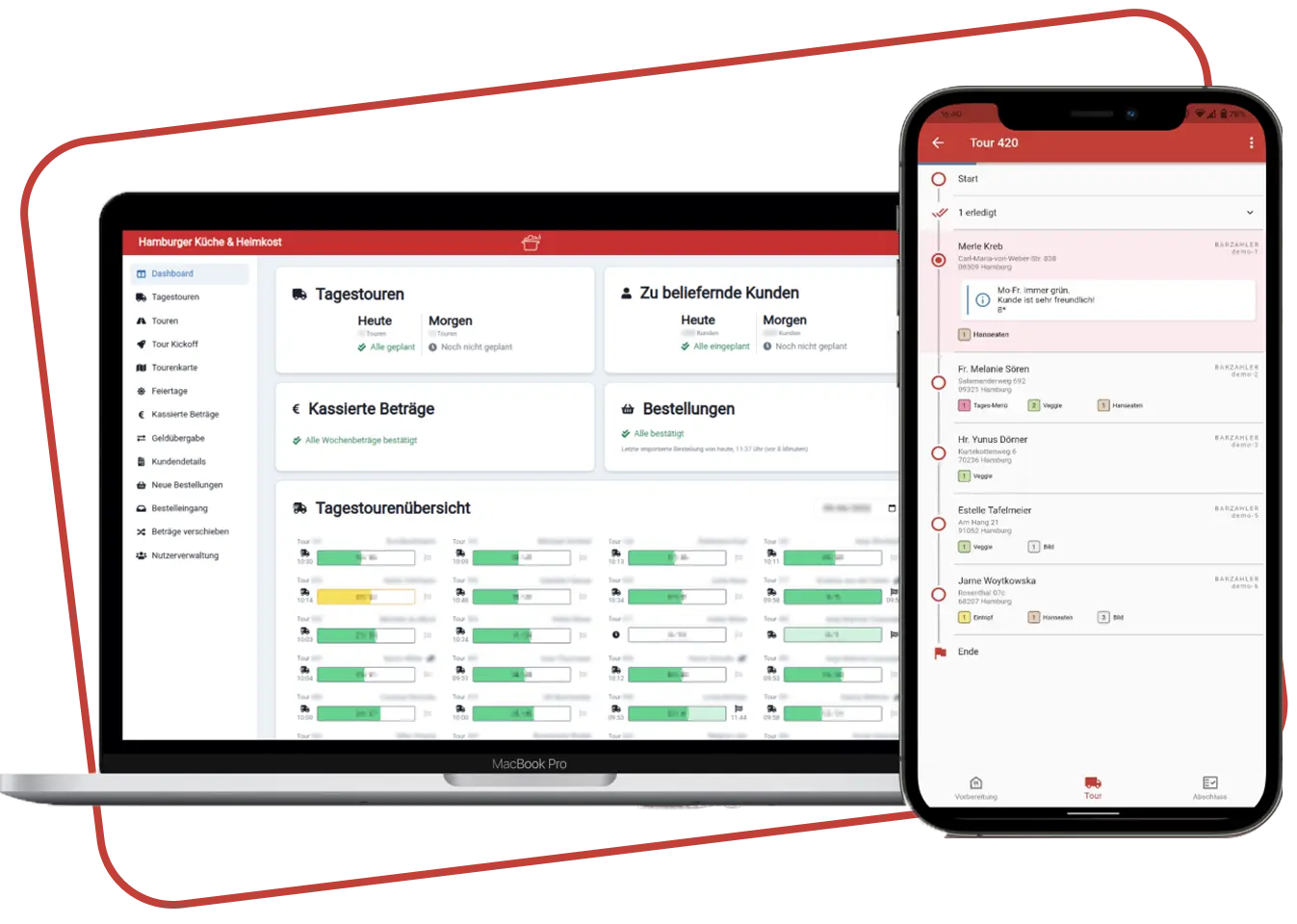
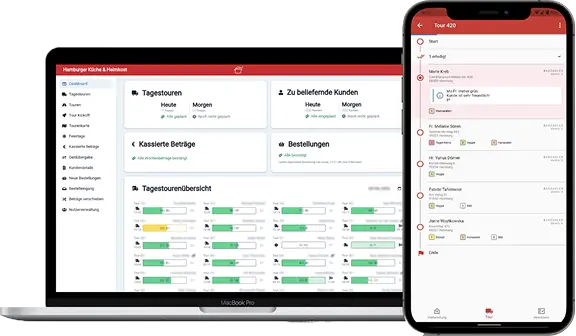
App Drivers can view and complete their assigned routes via an app on their personal mobile phones. The app is compatible with both Android and iOS, as well as older devices.
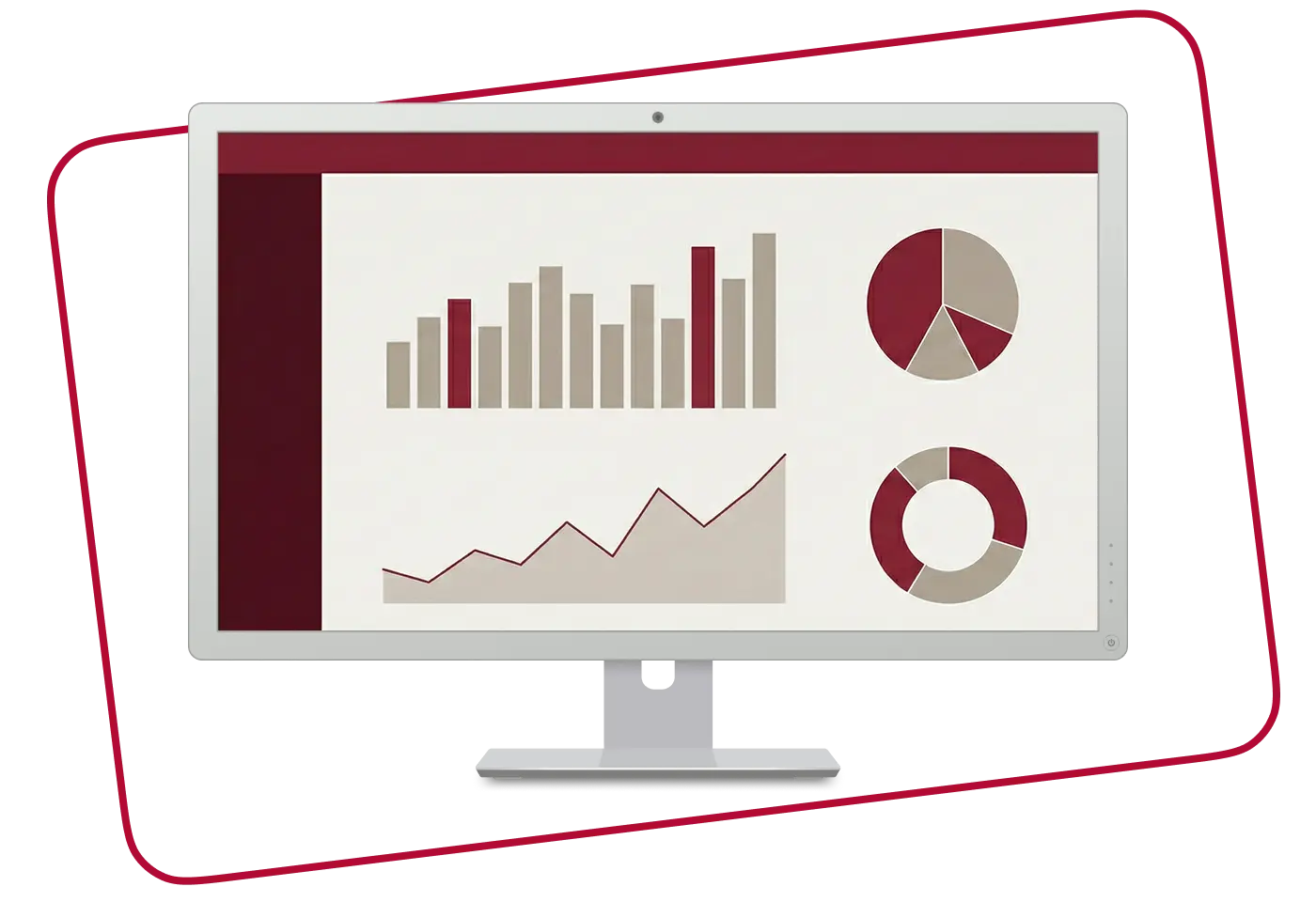
Web Application A web application for the office. Here, routes are planned, booked funds are managed, an overview of current routes is displayed, and much more.
Backend The backend handles data management and route planning.
Implementation
First MVP in two weeks
We decided to use Flutter for the app. This allowed us to provide a cost-effective solution, as we were able to develop the iOS and Android apps with a single team using a single codebase. Since the app needed to be capable of working offline and we wanted to transmit data to the office in real time, it made sense to use Firestore as a kind of “log” for the drivers’ data. Firestore comes with these functionalities built-in. Additionally, it has the advantage that work can continue even if the backend were to go down temporarily.
Thanks to this tech stack, we were able to build an initial MVP within two weeks, allowing drivers to already complete a delivery and mark customers as delivered. To ensure that the drivers could use the app effectively, we maintained close communication with them and even rode along on a delivery to identify any potential issues.
The web application was implemented in a separate back office using React/Next.js. We made sure it works fully responsively on mobile devices, tablets, and desktop computers. Since the application is also connected to Firestore, all driver data is displayed directly in real time in the back office.
In addition, we developed a Node.js backend and used OpenAPI to enable integration between the app, the back office, and the existing ERP system. To improve data management and support complex route planning, this backend also uses a PostgreSQL database.
2-Week MVP
Drivers can complete tours digitally
Full Integration
All devices, backend & ERP fully integrated
Live Operation
100% digital operation, all paper processes completely replaced
Result
Digitization of all delivery processes
Over a project period of just under three months, we worked with Hamburger Küche to bring the system up to a level where all delivery processes could be managed through it. Following a brief internal testing phase, it has now completely replaced all paper-based delivery processes and has been used daily by more than 100 drivers since mid-2021.

You need people with enthusiasm for such a project, and the cc.systems team has exactly that.

Sebastian Brauer
CEO • HKH Hamburger Küche & Heimkost GmbH